Source Corrosion Resistant PP Fish Tank for aquaculture, pisciculture, and fish farming
Explore 30 listings for Corrosion Resistant PP Fish Tank designed for aquaculture, pisciculture, and fish farming applications. Buyers can compare specifications, certifications, and pricing to find suitable industrial or home solutions.
Key considerations
Products List


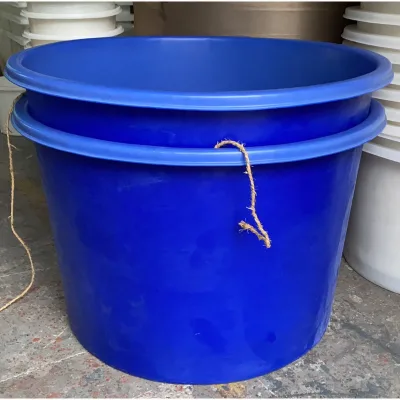
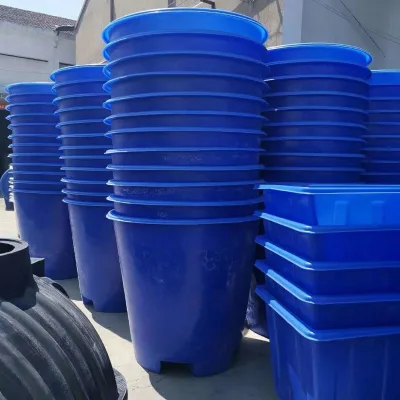
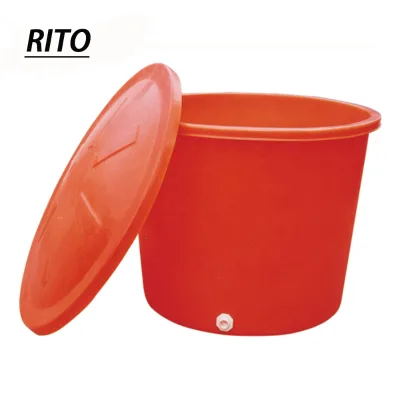

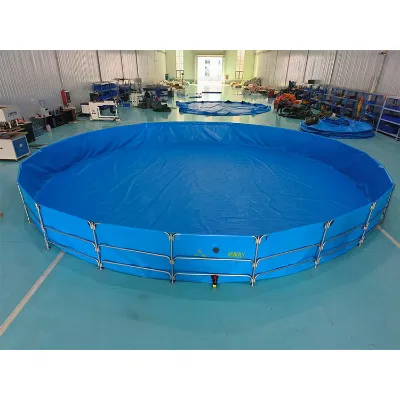
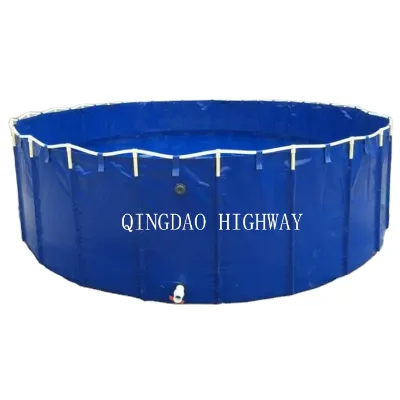
Customized PVC Fish Tank Farm Aquaculture Large Fish Pond Aquaculture Tank
$110.00 - $115.00
MOQ: 10 Pieces


Korea FRP Water Tank Modular GRP Non Toxic Corrosion Resistant Aquaculture Water Tank
$20.00 - $25.00
MOQ: 1 Cubic Meter/Cubic Meters

Corrosion-Resistant Proved Steel Tank Storage Tank Fish Pond with Glass Fused Steel
$19800.00 - $98000.00
MOQ: 1 Pieces


High Quality for Optimal Performance Anti-Corrosion Customizable Fish Farming Tank
$30.00 - $31.00
MOQ: 100 Pieces


Comprehensive Sourcing Guide
Strategic Sourcing Guide for Corrosion Resistant PP Fish Tanks
Understanding the Technical Landscape of Polypropylene Aquaculture Systems
The procurement of corrosion-resistant polypropylene (PP) fish tanks requires a precise understanding of material science and engineering specifications. Unlike traditional materials such as steel or fiberglass, PP offers inherent resistance to chemical degradation, making it ideal for environments where salinity, pH fluctuations, or aggressive cleaning agents are present. The core product category identified in current market listings includes electroplating tanks and specialized aquaculture vessels, often categorized under aquariums and accessories. A critical observation from available product data is the distinction between chemical treatment and physical treatment methods used in the manufacturing or finishing of these units. Buyers must verify whether the specific tank they are evaluating utilizes a chemical treatment process to enhance surface properties or a physical treatment method for structural integrity.
The material composition is paramount. The supplied facts explicitly identify "PP material" as a standard specification for several high-capacity units. This polypropylene base provides the necessary "Anti-Corrosion" and "Corrosion Resistance" attributes that define the product's utility in industrial, agricultural, and hospital settings. Furthermore, the presence of "Anti-UV" capabilities is a non-negotiable feature for outdoor installations, ensuring the material does not degrade under prolonged solar exposure. The structural integrity of these tanks is often reinforced by their "Strong Strength" and "Durable" characteristics, which are essential for maintaining shape under the hydrostatic pressure of large water volumes. When evaluating technical specifications, buyers should look for models such as the XC-6, XC-06, and ZK-PP series, which represent different design iterations of these systems. The size and volume are frequently "Customized," allowing for tailored solutions that range from small-scale breeding to large industrial fish farming operations.
Compliance Verification and Certification Standards
In the B2B procurement of industrial aquaculture equipment, verifying compliance with international standards is a critical risk mitigation step. The market data indicates that reputable suppliers often provide tanks with "CE" and "RoHS" certifications, which signal adherence to European health, safety, and environmental protection standards. Additionally, "ISO9001" is a recurring certification mentioned in the product attributes, serving as evidence of a supplier's commitment to quality management systems. Some listings also reference "S-G-S" certificates, which may indicate third-party inspection or verification services.
However, buyers must exercise caution when interpreting these certifications. The presence of a certification label on a product page does not automatically guarantee that every unit in a specific order meets the standard without verification. The standard for the product itself is often listed as "customized" or "pp material," meaning the baseline compliance depends on the specific manufacturing batch. For instance, while "CE" is a high-confidence fact in the background data, the specific application of this standard to a custom-sized tank requires direct confirmation from the manufacturer. Similarly, the "ISOISO9001" notation suggests a focus on quality control, but the buyer should request the actual certificate number and validity date for the specific production lot.
When sourcing, the procurement team should prioritize suppliers who can provide documented proof of these certifications rather than relying solely on marketing claims. The "Certificate: CE/S-G-S/ISO9001" listing suggests a comprehensive compliance framework, but the buyer must ensure that the specific tank model, such as the ZK-TK series, is covered under these specific certifications. This is particularly important for tanks intended for "Fish Farmming" or "Waste Water Treatment," where regulatory compliance regarding water safety and environmental impact is strict.
Cost Drivers and Economic Considerations in Tank Procurement
The pricing structure for corrosion-resistant PP fish tanks is highly variable, driven by customization levels, material thickness, and capacity. The observed listed price range in the market spans from $10.25 to $98,000 USD, reflecting the vast difference between small, standard units and large, custom-engineered industrial systems. This wide range indicates that cost is not a linear function of size but is heavily influenced by the complexity of the design and the specific application requirements.
Several key factors drive the cost of these units. First, the "Customized" nature of the product standard and volume means that bespoke designs command a premium over standard off-the-shelf models. For example, a tank with a "Capacity(Cbm): Customized" specification will cost significantly more than a fixed-size unit. Second, the "Life Span" of the product is a major cost driver; units advertised with a "10 Years" or "More Than 20 Years" lifespan often utilize higher-grade PP resins or reinforced structures, justifying a higher initial investment. Third, the packaging method, ranging from "Box" to "The Wooden Case" or "Standard Export Packing," adds to the logistical cost, especially for large units like the ZK-PP series with an external size of 2.31.431.3m.
The Minimum Order Quantity (MOQ) also plays a significant role in the total cost of ownership. The observed MOQ range is 1 to 100 units, with some suppliers offering "1PC" or "1set" as a starting point. This flexibility allows small-scale buyers to enter the market without massive capital outlays, while larger agricultural operations can negotiate better unit economics by ordering in bulk. Buyers should be aware that while the unit price may decrease with volume, the total lead time and logistics costs for large orders can increase. Additionally, the "In Stock" feature for certain models can reduce lead times and associated holding costs, providing a cost advantage for urgent procurement needs.
Typical Applications and Functional Requirements
Corrosion-resistant PP fish tanks are designed to serve a diverse array of applications, ranging from small-scale home use to large industrial aquaculture facilities. The primary applications identified in the market data include "Fish Farmming," "Fish Breeding," "Aquaculture," and "Pisciculture." These tanks are not limited to fish; some models are specifically engineered for "Live Fish, Lobster Transportation and Storage," highlighting their versatility in handling different aquatic species. The functional requirements vary significantly based on the intended use. For instance, tanks designed for "Collect Sewage of Fish Tank" require specific internal geometries to facilitate waste removal, while those for "Waste Water Treatment" must handle higher volumes of contaminated water.
The installation method is another critical functional aspect. The data specifies "Sitting Type" installation, which implies that these tanks are designed to rest on a prepared foundation rather than being suspended or embedded. This installation type requires careful site preparation to ensure the tank remains stable under the weight of the water and the aquatic life it contains. The height of these units typically ranges from 1.2 to 2 meters, with specific models like the ZK-TK series offering diameters between 0.5 and 2.2 meters. This dimensional flexibility allows buyers to select tanks that fit their specific facility constraints.
Furthermore, the "Usage" category extends beyond simple fish keeping to include "Industrial," "Home," "Agriculture," and "Hospital" settings. In hospital environments, the "Anti-Corrosion" and "Durable" properties are essential for maintaining hygiene and preventing contamination. In agricultural settings, the "Sustainable" feature of these tanks aligns with modern farming practices that prioritize environmental responsibility. The ability to customize the "Volume" and "Size" ensures that the tank can be integrated seamlessly into existing infrastructure, whether it is a small backyard pond or a large commercial hatchery.
Supplier Evaluation and Quality Assurance Protocols
Selecting the right supplier for corrosion-resistant PP fish tanks requires a rigorous evaluation process that goes beyond price comparisons. Buyers should prioritize suppliers who demonstrate a clear understanding of the material properties and application requirements. The presence of "Customization" as a standard attribute suggests that the supplier should be capable of tailoring the tank to specific needs, such as adjusting the "prod_standard" or "prod_packing" to meet unique project requirements.
Quality assurance is paramount, especially given the long-term nature of these investments. Buyers should verify the "Condition" of the product, ensuring it is "New" and free from manufacturing defects. The "Life Span" claims of 10 to 20 years should be backed by warranty documentation and material testing data. Additionally, the "Features" such as "Corrosion Resistance" and "Anti-Corrosion" must be validated through third-party testing or material certificates. The "External Size" and "Capacity" specifications should be cross-referenced with the supplier's production capabilities to ensure that the delivered product matches the ordered specifications.
Suppliers offering "Standard Export Packing" or "Wood Carton" packaging demonstrate a commitment to protecting the product during transit, which is crucial for large, fragile units. The "MOQ" flexibility, ranging from 1 set to 100 units, indicates a supplier's ability to cater to both small and large buyers. However, buyers should be cautious of suppliers who cannot provide clear information on their production standards or who lack the necessary certifications. The "Location" of the supplier, often listed as "China," should be considered in the context of logistics and lead times, although specific lead time data is not provided in the current context.
Long-Term Procurement and Maintenance Strategies
Procuring a corrosion-resistant PP fish tank is a long-term investment that requires careful planning for maintenance and lifecycle management. The "Life Span" of these units, often cited as 10 to 20 years, depends heavily on proper installation and regular maintenance. Buyers should develop a maintenance schedule that includes regular inspections for UV damage, structural integrity, and seal integrity. The "Anti-UV" feature is a critical component in extending the lifespan of the tank, but it does not eliminate the need for periodic checks.
The "Customized" nature of the product standard means that replacement parts or modifications may be difficult to source if the original supplier is no longer available. Therefore, buyers should establish a relationship with a supplier who can provide ongoing support and spare parts. The "prod_packing" method, whether "Box" or "The Wooden Case," should be considered when planning for storage and future relocation of the tank. Additionally, the "Capacity" of the tank, which can range from 400 to 800kgs of fish and 80 lobsters, should be monitored to ensure it does not exceed the design limits, which could compromise the structural integrity over time.
In conclusion, sourcing corrosion-resistant PP fish tanks requires a balanced approach that considers technical specifications, compliance, cost, applications, and supplier reliability. By focusing on these key areas, buyers can ensure they acquire high-quality, durable tanks that meet their specific operational needs while minimizing long-term risks and costs. The flexibility of the market, with its wide range of models and customization options, provides ample opportunities for buyers to find the perfect solution for their aquaculture or industrial requirements.
FAQs
What certifications do corrosion resistant pp fish tanks have?
These tanks typically carry CE, RoHS, and ISO9001 certifications. Some listings also include S-G-S certificates, ensuring compliance with international safety and quality standards for industrial and agricultural use.
Can I customize the size and volume of these tanks?
Yes, the size and volume are frequently customized to meet specific project needs. Buyers can request tailored dimensions, such as diameters ranging from 0.5 to 2.2 meters, to fit various aquaculture facilities.
How long is the expected lifespan of a polypropylene fish tank?
The expected lifespan ranges from 10 to more than 20 years depending on the model and usage conditions. Units with anti-UV features and durable PP material construction are designed for long-term durability in outdoor settings.
What is the minimum order quantity for these tanks?
The minimum order quantity varies from 1 piece to 100 units depending on the supplier. Some vendors offer flexible options starting at 1 set, allowing small buyers to purchase without large initial commitments.
Which installation type is used for these corrosion resistant tanks?
These tanks generally use a sitting type installation method. They are designed to rest on a prepared foundation, with heights typically ranging between 1.2 and 2 meters to ensure stability during operation.
What materials are used to construct these fish tanks?
The primary material used is polypropylene (PP), which provides strong strength and corrosion resistance. This material ensures the tanks are suitable for fish farming, waste water treatment, and other industrial applications.
Can these tanks be used for lobster transportation and storage?
Yes, specific models are designed for live fish and lobster transportation and storage. These units can handle capacities ranging from 400 to 800 kilograms of fish and up to 80 lobsters.